

7 Steps for a Reliable Peptide Procurement Checklist

Updated: Sep 5

Ordering research peptides can feel risky when quality and legitimacy are on the line. A single oversight in supplier evaluation or documentation can disrupt your entire project and compromise your results. Protecting your research starts with choosing the right supplier and knowing exactly what to look for before making a purchase.
You are about to discover practical steps that will help you avoid contamination risks, secure reliable peptides, and ensure your research adheres to the highest standards. From reviewing supplier credentials to checking third-party lab documentation, these proven tips offer you peace of mind and scientific confidence. Get ready to learn the crucial checks that make research peptide procurement much safer and more effective.
Table of Contents
Quick Summary
Takeaway | Explanation |
1. Verify Supplier Credentials | Ensure you check academic affiliations, certifications, and research focus for quality assurance. |
2. Obtain Third-Party Testing Results | Request comprehensive lab testing documentation to validate purity and composition of peptides. |
3. Review Certificates of Analysis | Analyze COAs for molecular weight, purity, and contaminants to ensure research reliability. |
4. Confirm Shipping Standards | Verify temperature-controlled shipping and clear handling procedures to avoid degradation. |
5. Ensure Regulatory Compliance | Maintain strict adherence to research-only usage regulations for ethical integrity in research. |
1. Verify Supplier Credentials and Research Focus
Selecting a reliable peptide supplier requires meticulous verification of their research credentials and scientific focus. Supplier validation represents the critical first step in ensuring your research materials meet the highest standards of quality and reliability.
When evaluating potential peptide suppliers for your research, consider these essential verification criteria:
Academic and Research Affiliations: Look for suppliers with direct connections to research institutions or university laboratories
Third-Party Certifications: Verify independent lab testing and quality control documentation
Specialized Research Focus: Assess the supplier’s expertise in specific peptide research domains
Compliance Documentation: Confirm availability of detailed Certificates of Analysis (COAs)
Research-grade peptide procurement demands systematic credential assessment. Laboratories must scrutinize potential suppliers through a comprehensive lens that evaluates not just product purity but the entire research infrastructure supporting peptide production.
A reputable peptide supplier demonstrates transparency through comprehensive documentation and verifiable research credentials.
Key steps for thorough supplier verification include:
Request complete research background documentation
Examine published research or technical white papers
Contact references from academic or research institutions
Review independent laboratory testing results
Pro tip: Always request and personally review a supplier’s Certificates of Analysis before finalizing any research material procurement.
2. Check for Third-Party Lab Testing Documentation
Ensuring peptide research integrity requires comprehensive third-party lab testing documentation that validates product quality and scientific reliability. Independent verification represents the gold standard for research material procurement.
Third-party lab testing provides critical assurances about peptide characteristics through objective scientific assessment. Comprehensive testing protocols offer researchers definitive insights into material purity and performance.
Key documentation elements researchers must scrutinize include:
Purity percentage measurements
Detailed molecular weight analyses
Contamination screening reports
Structural composition verification
Batch-specific testing records
Independent lab documentation represents the scientific gold standard for research material validation.
When evaluating third-party testing documentation, focus on comprehensive analytical reports that provide:
Precise quantitative measurements
Standardized testing methodologies
Transparent reporting of potential impurities
Clear identification of testing laboratory credentials
Rigorous documentation review helps researchers mitigate potential experimental variability and ensure reproducible scientific outcomes.
Pro tip: Always request a complete Certificate of Analysis and personally verify the independence and accreditation of the testing laboratory before finalizing your peptide procurement.
3. Review Certificate of Analysis and Purity Standards
Certificates of Analysis represent the critical scientific documentation that validates peptide quality and research reliability. Purity standards are the foundation of reproducible scientific investigations.
Researchers must understand that research peptide validation requires comprehensive analytical documentation that provides transparent insight into material characteristics.
Key elements to examine in a comprehensive Certificate of Analysis include:
Precise molecular weight measurements
Percentage purity quantification
Amino acid sequence verification
Contaminant screening results
Batch-specific production details
A meticulously documented Certificate of Analysis serves as your scientific quality assurance blueprint.
When reviewing purity documentation researchers should focus on:
Minimum 99% purity requirement
Detailed analytical methodology
Independent testing verification
Comprehensive impurity profiles
Rigorous documentation assessment helps prevent experimental variability and ensures research integrity.
Pro tip: Request digital and physical copies of Certificates of Analysis and cross-reference testing methodologies to confirm comprehensive quality validation.
4. Confirm U.S. Shipping Policies and Logistics
Research peptide procurement requires careful consideration of shipping policies and logistics to ensure timely and compliant material delivery. Shipping protocols represent a critical component of scientific material acquisition.
Researchers must thoroughly understand research peptide transportation standards to prevent potential research disruptions.
Key shipping considerations for laboratory peptide procurement include:
Temperature-controlled transportation
Specialized packaging requirements
Expedited delivery options
Documented handling procedures
Tracking and insurance capabilities
Reliable shipping logistics are the invisible backbone of scientific research material procurement.
Critical steps for confirming shipping policies:
Verify temperature maintenance protocols
Review packaging integrity standards
Confirm estimated delivery timeframes
Understand replacement policies for compromised shipments
Comprehensive shipping assessment helps prevent potential research material compromises during transportation.
Pro tip: Always request detailed shipping documentation and confirm the supplier has specialized peptide transportation protocols before finalizing your procurement.
5. Evaluate Bulk Purchasing Options and Discounts
Strategic bulk purchasing can significantly reduce research material acquisition costs while ensuring consistent peptide supply for long-term scientific investigations. Bulk procurement strategies represent a critical financial optimization approach for research laboratories.
Researchers can leverage research peptide procurement strategies to maximize budget efficiency and research continuity.
Key considerations for bulk peptide purchasing include:
Volume-based price reductions
Consistent quality across large orders
Potential storage and preservation requirements
Institutional procurement policies
Long-term research planning
Intelligent bulk purchasing balances cost efficiency with research material quality and reliability.
Essential steps for evaluating bulk purchasing options:
Calculate total research project material requirements
Compare per-unit pricing across volume tiers
Assess storage capabilities and stability
Verify consistent quality documentation
Comprehensive procurement strategy helps research teams optimize limited financial resources while maintaining high-quality scientific standards.
Pro tip: Negotiate volume discount structures in advance and request sample testing for larger bulk orders to confirm consistent peptide quality across different batch sizes.
6. Ensure Compliance With Research-Only Regulations
Navigating the complex landscape of research material regulations requires meticulous attention to legal and ethical standards. Regulatory compliance represents a fundamental requirement for scientific integrity and institutional accountability.
Researchers must carefully understand research peptide regulatory standards to prevent potential legal and academic complications.
Key regulatory compliance considerations include:
Strict research-only usage disclaimers
Institutional review board approvals
Proper documentation and tracking
Clear material handling protocols
Comprehensive usage restrictions
Regulatory compliance is not optional but a critical scientific and ethical imperative.
Essential steps for ensuring regulatory adherence:
Review institutional research guidelines
Verify material usage restrictions
Document procurement and handling processes
Maintain comprehensive research records
Systematic regulatory assessment helps protect research integrity and institutional reputation.
Pro tip: Always maintain explicit documentation demonstrating that peptide materials are exclusively intended for controlled research environments and have not been used for unauthorized purposes.
7. Assess Product Label Accuracy and Transparency
Accurate product labeling serves as the critical foundation for scientific research integrity and material reliability. Label verification represents the final checkpoint in ensuring peptide procurement quality.
Researchers must scrutinize product documentation standards with exceptional attention to detail to prevent potential experimental inconsistencies.
Key elements to examine on product labels include:
Precise molecular weight specifications
Exact amino acid sequence details
Batch-specific identification numbers
Purity percentage declarations
Storage and handling recommendations
Scientific precision begins with transparent and meticulously documented product information.
Comprehensive label assessment steps:
Verify molecular composition accuracy
Cross-reference batch documentation
Check purity percentage claims
Confirm manufacturer authentication details
Systematic label evaluation helps researchers mitigate potential risks associated with material misrepresentation.
Pro tip: Photograph and digitally archive product labels immediately upon receipt to maintain a comprehensive reference for future research documentation and potential quality control inquiries.
Below is a comprehensive table summarizing the guidelines and recommendations for selecting and procuring research-grade peptides as discussed in the article.
Topic | Description | Key Considerations |
Supplier Verification | Identify credible suppliers with proven research affiliations and certifications. | Look for third-party certification, compliance documentation, and research focus. |
Third-Party Testing | Validate peptide quality and reliability with independent testing results. | Check the purity percentage, molecular composition, and contamination screening. |
Certificate of Analysis | Ensure full transparency in peptide specifications and production details. | Verify purity levels, molecular weight, and amino acid sequence accuracy. |
Shipping Policies | Comply with research-grade standards in peptide transportation. | Confirm temperature-controlled shipping and packaging integrity. |
Bulk Purchasing | Optimize budget and continuity through strategic procurement. | Evaluate storage capabilities, volume pricing, and quality consistency. |
Regulation Compliance | Adhere to legal standards for research-only peptide use. | Maintain documentation and institutional approvals to prevent misuse. |
Product Labeling | Verify detailed batch-specific information for research integrity. | Authenticate purity percentages, storage instructions, and labeling accuracy. |
Ensure Your Peptide Procurement Meets Every Research Standard
Navigating the complex requirements of peptide procurement can be challenging for any laboratory aiming for scientific excellence. This article highlights key pain points such as verifying supplier credentials, demanding third-party lab testing, reviewing Certificates of Analysis, and confirming strict U.S. shipping policies. Researchers need peptides with ≥99% purity, fully transparent labeling, and guaranteed compliance with research-only use. These factors are critical to avoid costly delays and maintain research integrity.
At Premier Aminos, we understand these challenges deeply. Our curated selection of research-grade peptides, including trusted options in the Research Peptides | Premier Aminos category, guarantees batch-specific Certificates of Analysis that satisfy rigorous purity and quality controls. We offer reliable U.S. shipping with specialized packaging protocols and bulk purchase discounts to support your long-term research needs.
Take control of your peptide procurement today and ensure your research materials are backed by scientific validation and impeccable quality standards.
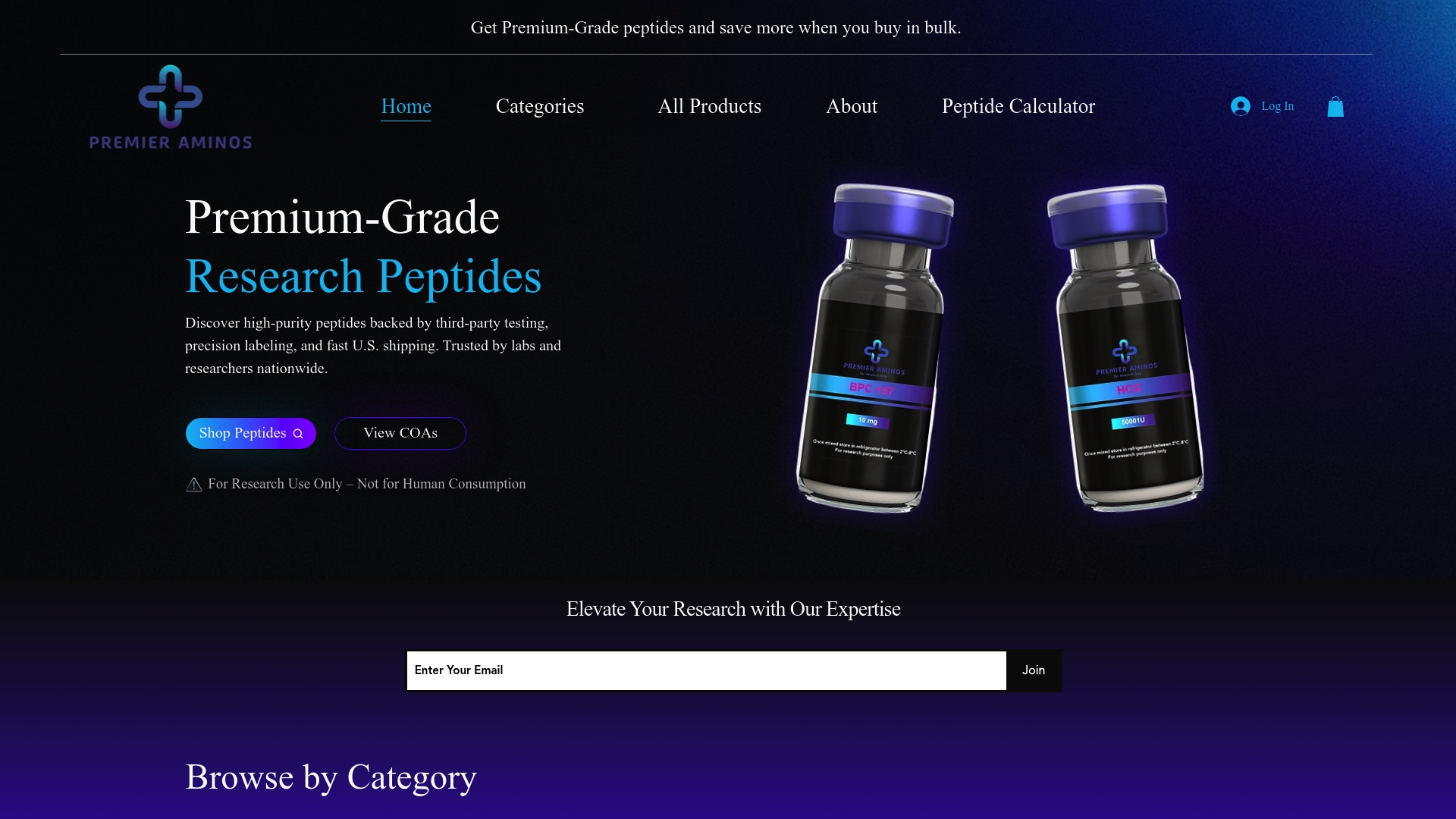
Discover how Premier Aminos can streamline your peptide sourcing with guaranteed purity and compliance. Visit All Products | Premier Aminos now or explore our site at Premier Aminos to start your reliable peptide procurement journey.
Frequently Asked Questions
How can I verify the credentials of a peptide supplier?
To verify the credentials of a peptide supplier, request their academic and research affiliations, check for third-party certifications, and review their compliance documentation. Start by asking for detailed Certificates of Analysis and research background information to ensure their credibility.
What should I look for in third-party lab testing documentation?
When reviewing third-party lab testing documentation, focus on purity percentage measurements, molecular weight analyses, and contamination screening reports. Ensure that the provided analytical reports are thorough and include standardized testing methodologies to assess product quality comprehensively.
What are the essential elements of a Certificate of Analysis I should review?
A Certificate of Analysis should include precise molecular weight measurements, percentage purity quantification, and detailed reports on contaminants. Examine these elements to ensure they meet your research standards and maintain a minimum purity requirement of 99%.
How can I confirm that shipping logistics meet my peptide procurement needs?
Verify that your supplier offers temperature-controlled transportation, specialized packaging, and documented handling procedures. Always request detailed shipping documentation to ensure that your peptides will be delivered safely and comply with your research requirements.
What factors should I consider when evaluating bulk purchasing options?
Consider volume-based price reductions, consistent quality, and potential storage requirements when evaluating bulk purchasing options. Calculate your total material needs and compare per-unit pricing across different volume tiers to maximize budget efficiency.
How do I ensure compliance with research-only regulations during procurement?
To ensure compliance with research-only regulations, review institutional guidelines and verify material usage restrictions. Maintain comprehensive documentation of your procurement and handling processes to protect research integrity and adhere to legal standards.
Recommended


Comments