

Peptide Purity Standards 2026: Ensuring Lab Integrity

Updated: Sep 5
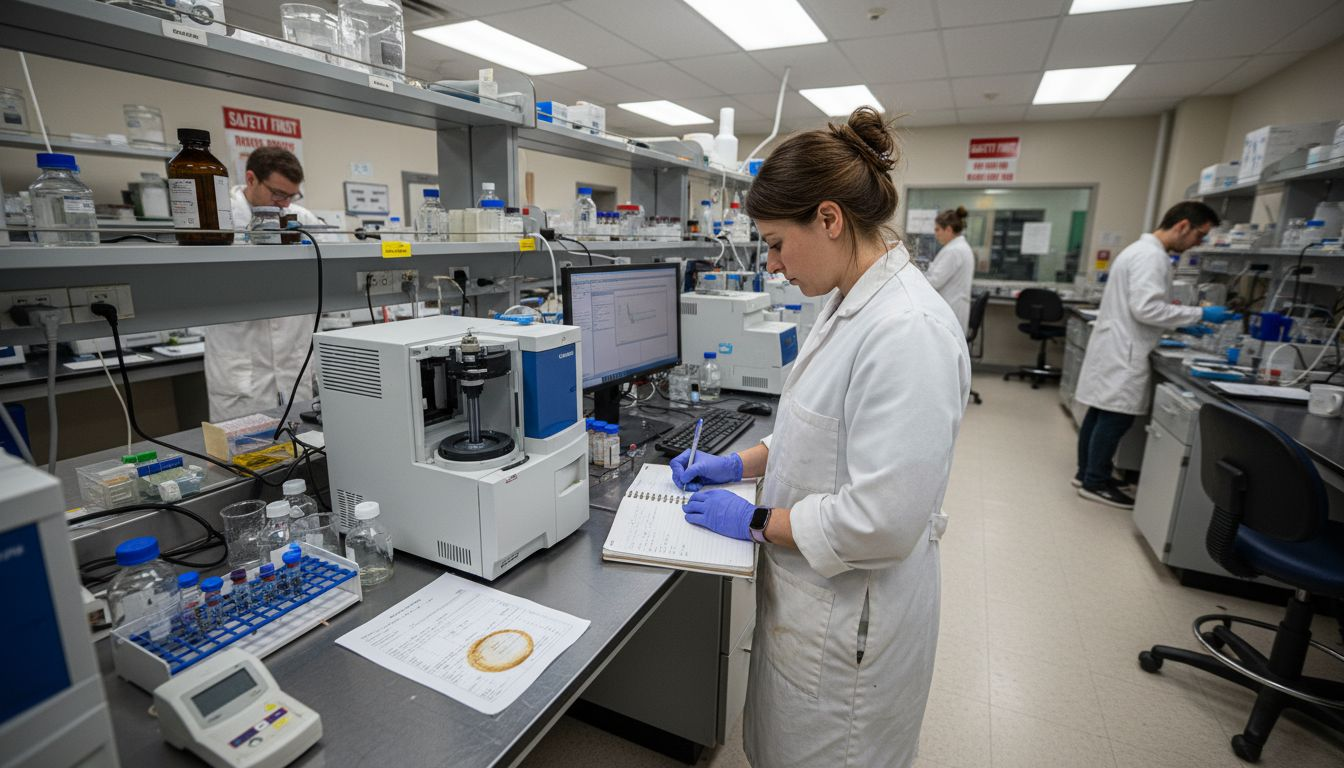
Finding truly reliable peptide purity standards often feels like decoding a complex puzzle, especially when laboratory outcomes depend on subtle differences in molecular quality. For research scientists and lab managers aiming for 2026 compliance, understanding the multilayered nature of peptide purity is essential to avoid costly errors and ensure experimental reproducibility. This introduction sheds light on key purity definitions, common misconceptions, and how global standards impact your daily operations when selecting high-integrity suppliers.
Table of Contents
Key Takeaways
Point | Details |
Peptide purity involves multiple assessments | Purity is not a single metric but requires several analytical methods to evaluate molecular characteristics and impurities. |
Understand peptide classifications | Researchers should familiarize themselves with different peptide types and purity classifications to ensure proper application in research. |
Implement rigorous testing protocols | Employ a comprehensive approach that integrates multiple analytical techniques to guarantee peptide quality and reliability. |
Scrutinize Certificates of Analysis | Always review COAs meticulously to verify the molecular quality and provenance of peptides before use in research. |
Defining peptide purity standards and misconceptions
Peptide purity standards represent critical quality benchmarks that determine the reliability and effectiveness of research-grade molecular compounds. These rigorous scientific protocols ensure that peptides meet specific identity, composition, and contamination thresholds essential for reproducible experimental outcomes.
Researchers often misunderstand purity standards, assuming a single measurement can comprehensively assess peptide quality. In reality, multiple analytical methods are required to fully characterize complex molecular profiles. These comprehensive assessments typically evaluate several key parameters:
Chemical Identity: Confirming exact molecular structure
Purity Percentage: Measuring primary compound concentration
Impurity Mapping: Identifying potential molecular contaminants
Structural Integrity: Assessing molecular degradation levels
The United States Pharmacopeia (USP) has established detailed monographs that define precise standards for peptide quality assessment. These guidelines help researchers distinguish between acceptable variation and significant contamination, providing a standardized framework for evaluating molecular compounds.
Peptide purity is not a single metric but a comprehensive evaluation of molecular characteristics and potential variations.
To effectively determine peptide purity, scientists must employ multiple complementary techniques including high-performance liquid chromatography (HPLC), mass spectrometry, and amino acid compositional analysis. Each method offers unique insights into molecular composition and potential impurities.
Here’s a summary comparing common peptide analytical techniques and their unique strengths:
Technique | Primary Insight | Typical Use Case |
HPLC | Purity quantification | Assessing main component |
Mass Spectrometry | Mass/structure analysis | Detecting minor impurities |
Amino Acid Analysis | Composition confirmation | Verifying building blocks |
Pro tip: Always request and review a comprehensive Certificate of Analysis (COA) that details multiple purity assessment parameters rather than relying on a single percentage measurement.
Types of peptides and purity classifications
Peptides represent a diverse class of molecular compounds categorized by their unique structural characteristics, synthesis methods, and intended research applications. Comprehensive purity classifications help researchers understand the complex landscape of molecular quality and performance.
Researchers typically classify peptides across several critical dimensions:
Size-Based Classifications:
Oligopeptides: Short chains (2-20 amino acids)
Polypeptides: Longer chains (20-50 amino acids)
Peptide Hormones: Specialized signaling molecules
Synthesis Method Classifications:
Solid-Phase Peptide Synthesis (SPPS)
Liquid-Phase Peptide Synthesis
Recombinant Peptide Production
Purity levels are meticulously defined through rigorous analytical techniques that assess molecular composition, structural integrity, and potential contaminant presence. These evaluations typically range from research-grade (≥95% purity) to pharmaceutical-grade (≥99% purity), with each classification representing increasingly stringent quality standards.
Peptide purity is not merely a percentage, but a comprehensive assessment of molecular precision and consistency.
Modern analytical methodologies including high-performance liquid chromatography (HPLC), mass spectrometry, and amino acid compositional analysis enable researchers to develop increasingly sophisticated purity assessment protocols. These techniques provide multidimensional insights into peptide molecular characteristics, ensuring reproducible and reliable research outcomes.

Pro tip: Consult multiple analytical methods and request detailed Certificates of Analysis to comprehensively understand peptide molecular composition and potential variations.
Analytical testing methods and lab protocols
Peptide analytical testing represents a critical cornerstone of scientific research, involving sophisticated methodologies designed to validate molecular integrity and ensure comprehensive quality assessment. Advanced analytical protocols provide researchers with robust frameworks for evaluating peptide composition and purity.
Researchers employ multiple analytical techniques to thoroughly characterize peptide samples:
Spectroscopic Methods:
Nuclear Magnetic Resonance (NMR)
Infrared (IR) Spectroscopy
Mass Spectrometry
Chromatographic Techniques:
High-Performance Liquid Chromatography (HPLC)
Gas Chromatography (GC)
Reverse-Phase Chromatography
Each analytical method offers unique insights into peptide molecular characteristics, with laboratories developing comprehensive testing strategies that integrate multiple complementary approaches. Precise sample preparation, method validation, and rigorous quality control protocols ensure reproducible and accurate research outcomes.
Successful peptide analysis demands a multifaceted approach that combines advanced technological capabilities with meticulous scientific methodology.
Modern laboratory protocols emphasize not just identifying molecular composition, but understanding complex impurity profiles and potential variations. Researchers must navigate increasingly sophisticated regulatory guidelines that mandate comprehensive testing strategies tailored to specific peptide synthesis methods and intended research applications.
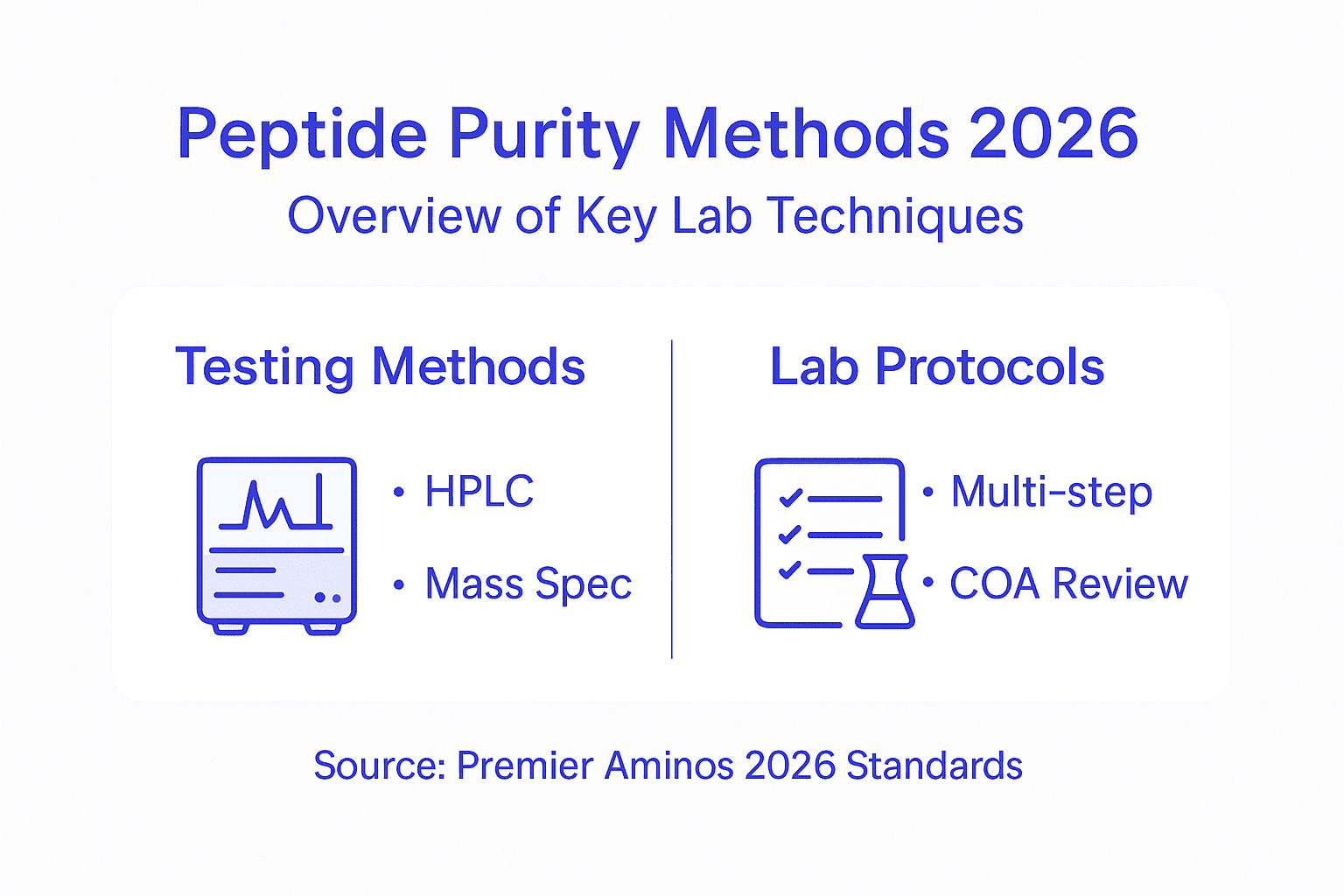
Pro tip: Develop a standardized multi-technique analytical workflow that combines at least three complementary testing methods to ensure comprehensive peptide characterization.
Global quality frameworks and 2026 compliance
The landscape of peptide quality standards continues to evolve rapidly, with global regulatory agencies establishing increasingly sophisticated frameworks to ensure scientific integrity. International regulatory guidelines are converging to create comprehensive standards that address the complex challenges of modern peptide research and production.
Key global quality frameworks for 2026 emphasize several critical compliance dimensions:
Regulatory Compliance:
European Medicines Agency (EMA) Guidelines
Food and Drug Administration (FDA) Standards
United States Pharmacopeia (USP) Monographs
Quality Management Requirements:
Good Manufacturing Practices (GMP)
Comprehensive Documentation
Rigorous Impurity Profiling
Consistent Stability Testing
Laboratories worldwide must prepare for more stringent verification processes that demand unprecedented levels of transparency and molecular characterization. The emerging regulatory landscape requires researchers to implement robust quality management systems that go beyond traditional purity measurements.
Global compliance is not just about meeting standards, but about advancing scientific precision and reliability.
The 2026 compliance framework represents a significant shift towards harmonization across international research and pharmaceutical sectors. Regulatory bodies are increasingly focusing on comprehensive analytical approaches that provide deeper insights into peptide molecular characteristics, impurity profiles, and potential variations.
Pro tip: Develop a proactive compliance strategy by establishing internal quality control protocols that exceed current regulatory requirements and anticipate future scientific standards.
Supplier verification and certificate documentation
Certificates of analysis represent the critical foundation for ensuring peptide research integrity, providing comprehensive documentation of molecular quality and provenance. Supplier verification processes have become increasingly sophisticated, requiring meticulous documentation and cross-validation strategies.
Key components of robust supplier verification include:
Documentation Requirements:
Detailed molecular composition
Precise purity percentage
Batch-specific impurity profiles
Manufacturing origin details
Verification Protocols:
Independent laboratory testing
Cross-referencing analytical methods
Stability assessment documentation
Traceability verification
Researchers must critically evaluate certificates of analysis, understanding that these documents represent more than simple quality declarations. Each certificate requires careful scrutiny of methodological approaches, analytical techniques, and comprehensive molecular characterization.
A certificate of analysis is not just a document, but a scientific passport detailing a peptide’s entire molecular journey.
Modern verification protocols demand multilayered validation strategies that extend beyond traditional documentation. Advanced laboratories implement rigorous cross-validation techniques, comparing supplier-provided data with independent analytical assessments to ensure absolute molecular integrity.
Pro tip: Develop a standardized internal checklist for evaluating certificates of analysis, focusing on methodological transparency, analytical precision, and comprehensive molecular documentation.
Risks of low purity and research impact
Peptide contamination represents a critical threat to scientific research, potentially undermining entire experimental frameworks and compromising the reliability of scientific discoveries. Research integrity standards demand meticulous attention to molecular purity to prevent cascading errors in scientific investigations.
Low-purity peptides introduce multiple significant research risks:
Experimental Complications:
Unpredictable molecular interactions
Compromised experimental reproducibility
Misleading statistical outcomes
Potential false positive/negative results
Potential Research Consequences:
Invalidated research findings
Wasted laboratory resources
Compromised grant funding
Potential publication retractions
Researchers must recognize that impurities are not mere technical nuisances but fundamental challenges that can derail entire research trajectories. Even minor molecular variations can introduce systemic errors that propagate through complex experimental designs, rendering seemingly rigorous studies fundamentally unreliable.
Scientific integrity is maintained not by perfection, but by vigilant, systematic quality control.
The financial and professional implications of low-purity peptides extend far beyond immediate experimental outcomes. Researchers risk reputational damage, potential funding losses, and long-term credibility challenges when experimental results cannot be independently verified due to molecular inconsistencies.
This table highlights key consequences of using low-purity peptides in research:
Risk Category | Main Consequence | Long-Term Effect |
Experimental | Data inconsistency | Hindered reproducibility |
Financial | Resource waste | Grant qualification risk |
Professional | Reputation damage | Potential paper retraction |
Pro tip: Implement a zero-tolerance policy for peptide impurities by establishing stringent pre-experimental screening protocols and maintaining comprehensive documentation of molecular characterization.
Ensure Your Peptide Research Meets 2026 Purity Standards with Premier Aminos
The evolving landscape of peptide purity standards in 2026 demands unwavering commitment to molecular integrity and comprehensive quality control. If you are facing challenges with verifying peptide purity or navigating complex compliance requirements, Premier Aminos offers a trusted solution. Our catalog of research-grade peptides, is supported by third-party lab testing and detailed Certificates of Analysis (COAs) that align with the rigorous scientific methodologies outlined in the latest regulatory guidelines.
Explore our extensive range at Peptides | Premier Aminos to secure peptides guaranteed to meet or exceed ≥99% purity standards. Act today to avoid risks related to low purity, experimental unreliability, and compliance failures. Visit Premier Aminos now to access verified products with fast U.S. shipping and benefit from bulk purchasing discounts designed to support seamless, scientifically validated research workflows. Discover how accurate peptide characterization can safeguard your research results and maintain your lab’s integrity.
Frequently Asked Questions
What are peptide purity standards?
Peptide purity standards are critical benchmarks that assess the quality of research-grade molecular compounds, ensuring they meet specific identity, composition, and contamination thresholds necessary for reliable experimental outcomes.
How is peptide purity assessed in laboratories?
Peptide purity is assessed using multiple analytical methods, including high-performance liquid chromatography (HPLC), mass spectrometry, and amino acid compositional analysis, providing a comprehensive evaluation of molecular characteristics and potential variations.
Why are low-purity peptides a risk for research?
Low-purity peptides can lead to unpredictable molecular interactions, compromised reproducibility of experiments, and misleading results, ultimately jeopardizing the reliability of scientific discoveries and risking reputational damage for researchers.
What is the significance of a Certificate of Analysis (COA) in peptide research?
A Certificate of Analysis provides comprehensive documentation of a peptide’s molecular quality, including purity percentage, impurity profiles, and batch-specific details, ensuring that researchers critically evaluate the integrity of their peptide materials.
Recommended


Comments